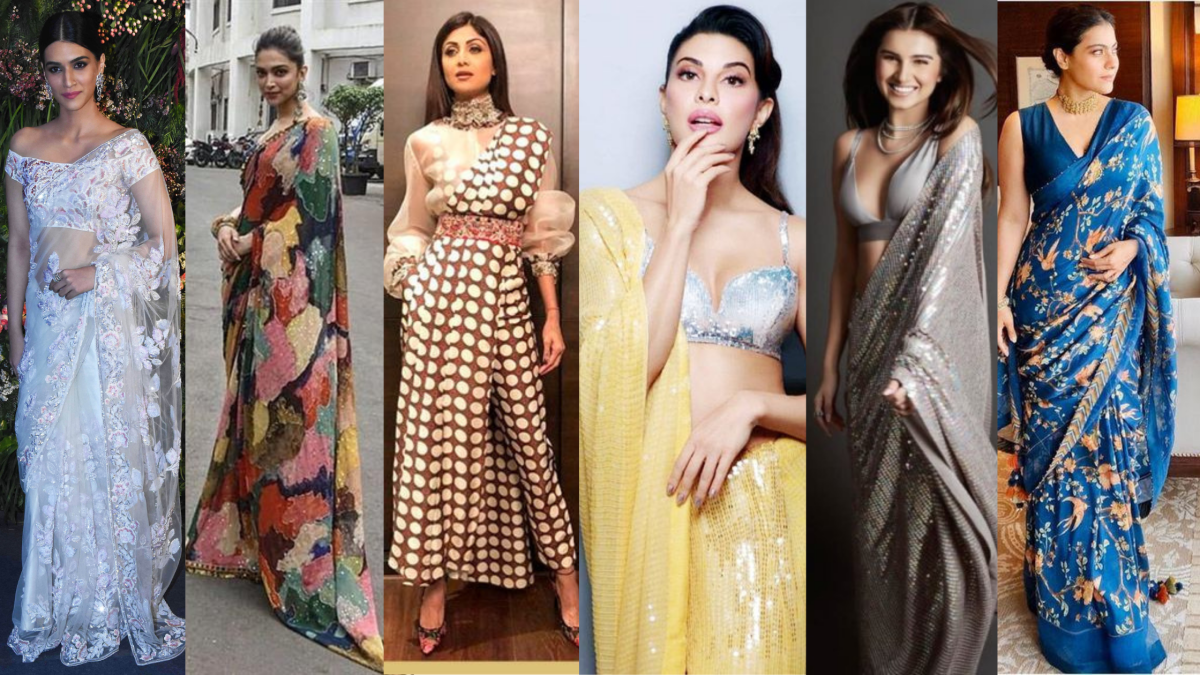
As everyone knows, Bollywood has heavily influenced the iconic trends down the ages.The relationship between Bollywood and fashion is kinda deep, intertwined and both go hand in hand. Due to that it’s not strange for the reel lifestyles to upturn into all encompassing trends that alter the course of the fashion curve. Indian fashion industry has always been related to cinema with different glamorous outfits adorned by Bollywood actors and actresses in any hit movie given as examples to tailors in India to procreate and hence, instantly becomes a sensational sartorial trend for us. Some outfits or designs are even named after film character names such as ‘Anarkali’ suits, ‘Bobby’ print, ‘Mumtaz’ saree, Masakali etc.
Bollywood style is also about practicalities. By acquiring a signature look for themselves, many actors and actresses set iconic trends. Bollywood has introduced some paramount fashion trends over generations through quite a few films as well.
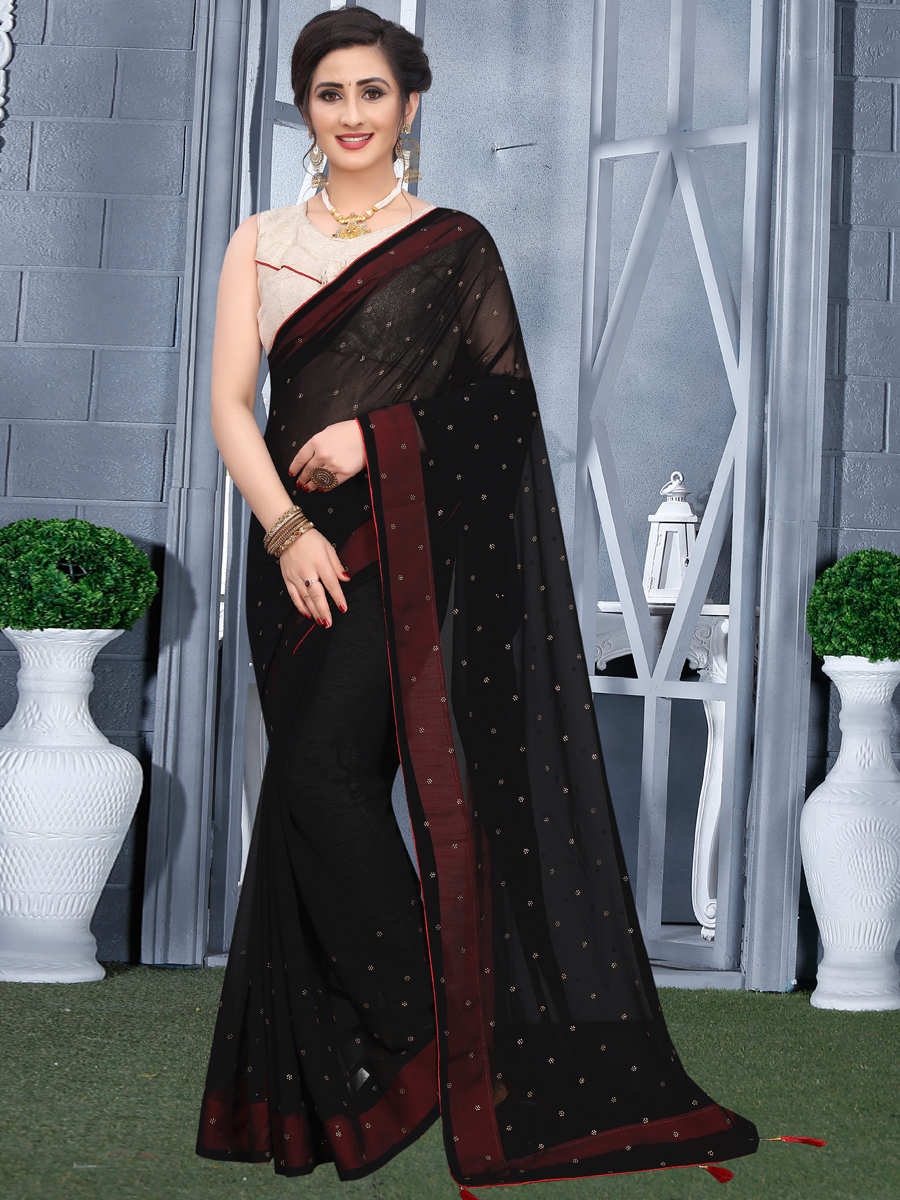
Bollywood industry is acknowledged for its classy glamour with a ideal combination of Indian culture and tradition enriched with a modern touch. Fashion and Bollywood are both inseparable from each other and when they added, a new era of vogue starts wheeling in the market. Similarly, fashion and the craze for sarees have always been two peas in a pod and it never seems to go out of fashion. Owning the fact that sarees have always booked a place of grace and class for all of us. Even though sarees are mostly worn on parties and traditional occasions, still it has made its way into popular and high fashion trends.
Bollywood over time has reproduced gorgeous sarees in bulk that lead to some iconic trends following by the crowd religiously. To make you believe us, Sareez.com has a curated a list of top 10 super-genteel and fancy saree looks from your fave celebrities, who have been favouring this vintage garb lately and putting a whole new twist to it and can give us some major #FashionGoals! Just check them out here at Sareez.com!

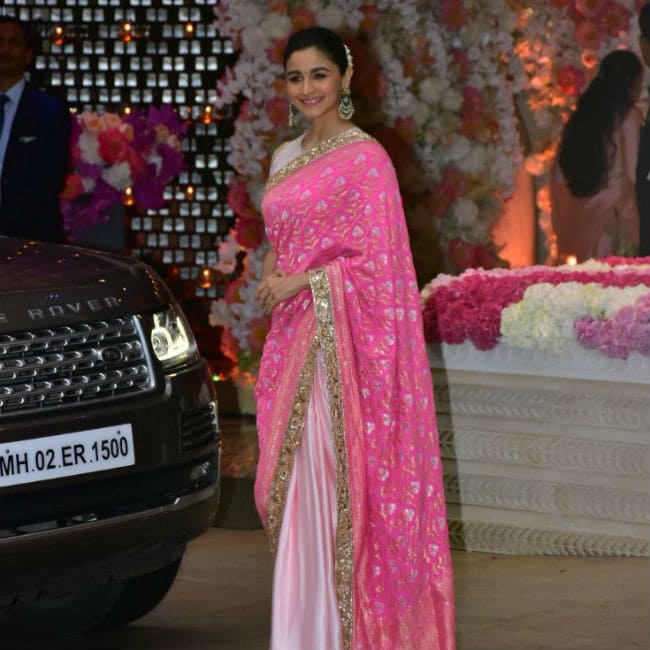
#1 Alia Bhatt’s Printed Ruffle Saree– Alia Bhatt is undeniably the ruling queen of B-Town and of fashion as well. She definitely stole our hearts with her amazing performances in movies. Along with that she always grab a chance to flaunt her fashion sense. Just like her brilliant acting skills Alia Bhatt looks beautiful wearing printed and multi-coloured ruffle saris, glossy sequin sarees and evergreen silk. Recently, she spotted in paisley printed ruffle saree at Sabyasachi’s 20th anniversary event . The flowy, tier contemporary ruffle saree avatar paired with beautiful pearl kundan studded crescent shaped chandbalisa and matching yellow gold one shoulder blouse was looking fabulous on her. Her look was finished with the fresh, nude makeup, a signature gold Sabyasachi belt, and the cute ponytail.
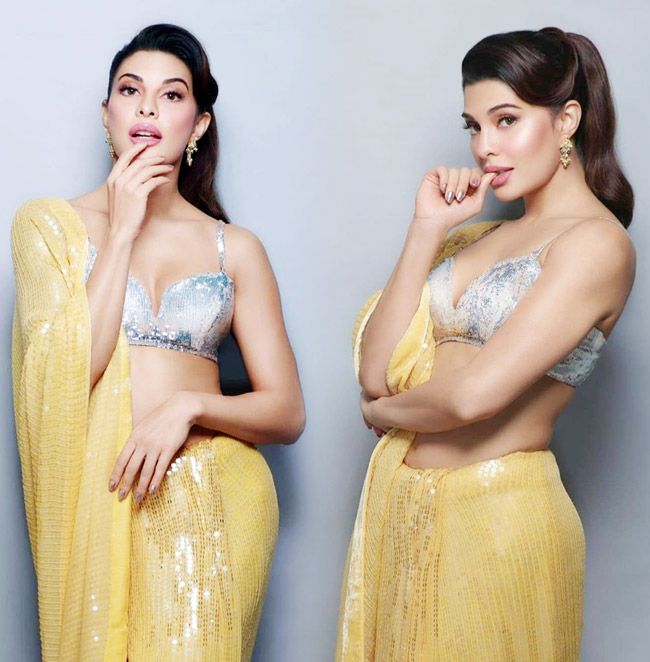
#2 Jacqueline Fernandez’s Yellow Sequin Saree– Jacqueline Fernandez knows well to keep her fashion game flawlessly unique and simultaneously electrifying. Recently, she was seen fashioning a gorgeously bright yellow sequinned saree and draped it in lehenga style such that her pallu was giving the illusion of a dupatta. She paired it with a silver sequin blouse which had a singlet-sleeve design for a photoshoot and it is the perfect bridal bunches ensemble. The diva glammed her ethnic look a bit with dewy makeup, minimal accessories like a pair of golden floral earrings, a silver embellished plunging neckline bralette and tieing her hair into a ponytail with a puffed section for this one.
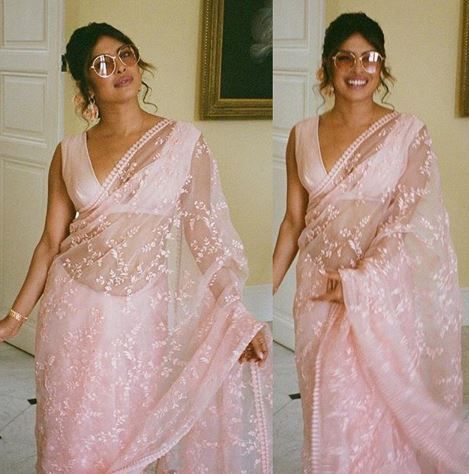
#3 Priyanka Chopra in Rose Pink Sabyasachi Saree– Playing up sophisticated floral work, Priyanka Chopra adorned a powder pink sari by Sabyasachi with a matching pink blouse presenting a plunging neckline for Sophie Turner and Joe Jonas’s wedding in Sarrians, France. She kept rest of her look neutral by wearing dewy makeup. Except that PeeCee rounded her gorgeous attire off with her lock tied back in a bun added with a perfectly matching pink rose there, kohled eyes, a pair of nude heels, diamond drop earrings and pink lips, all made her beautiful look for the evening. If you love wearing pink, you should definitely go for Priyanka Chopra’s latest look.

#4 Kareena Kapoor’s Peach Pink Saree– Kareena lately appeared in Manish Malhotra’s designed elegant hue, wearing the peach coloured sequin saree accompanied by a pink metallic blouse and a metallic bralette of the shade in one of the episodes of the reality show ‘Dance India Dance’ which she co-judges. She wore this with complementing brown eye makeup by keeping her eyebrows sharp and thick, an uncut pearl finish necklace, ruffled open hair and deep neck satin blouse.You CANNOT just miss her dazzling saree and pink satin blouse with plunging neckline in which she was looking drop-dead-gorgeous.
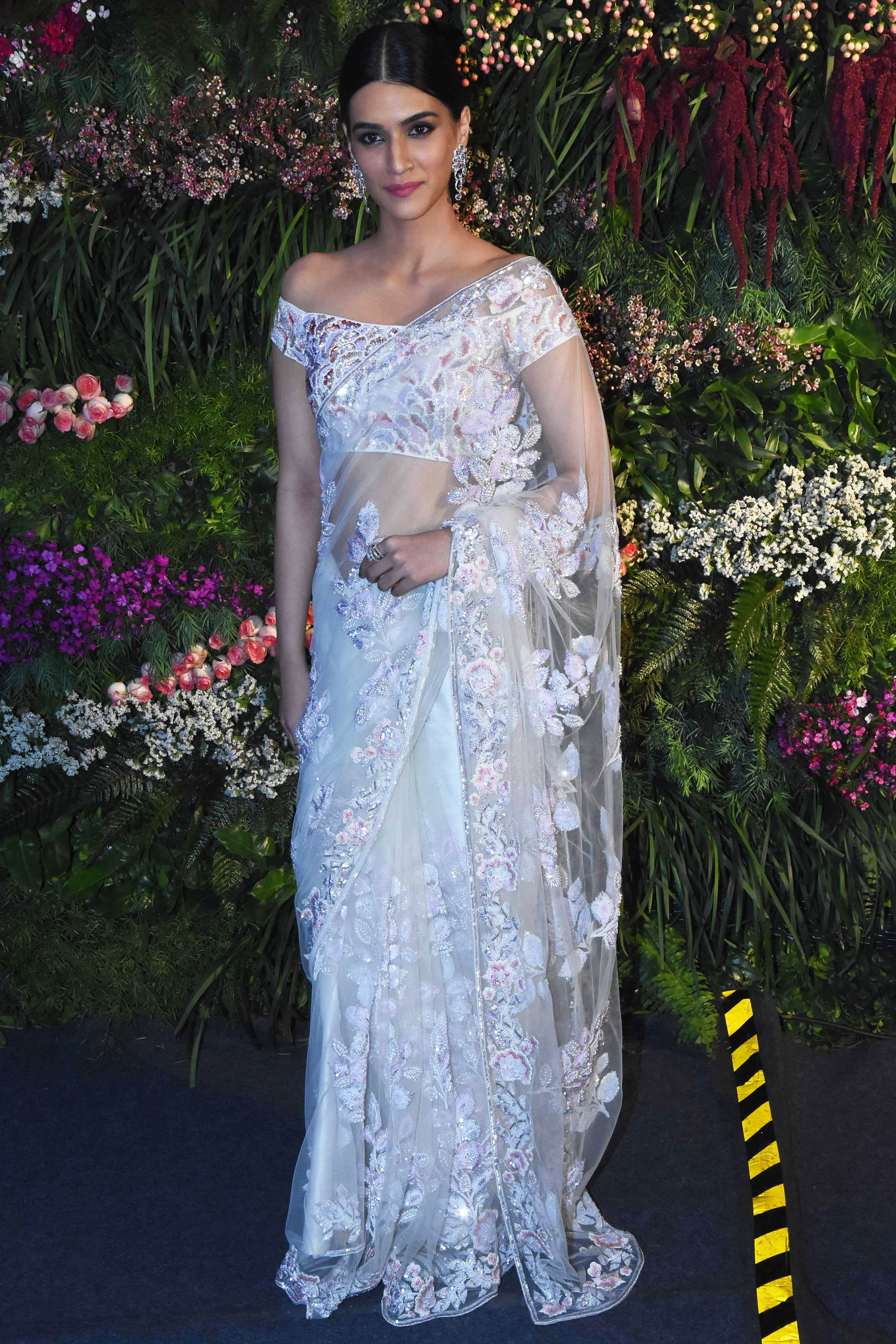
#5 Kriti Sanon In Ivory White Saree– Kriti attended Ambani’s Ganesh puja celebrations in this fantabulous Baadla saree. She looked beautiful in Manish Malhotra’s warm white sequin/ivory badla work saree paired with matching backless halter neck blouse showing off her bareback, a pair of super big statement gold earrings by Tyaani jewellery also called polki chandbalis with emerald drop at the end of her jhumkas. Just like Kapoor sisters, she accessorised the look with a center parted low bun rounded out gajra and minimal makeup. If white is the theme of this wedding season then this saree would surely be classy pick and your go-to for the wedding!
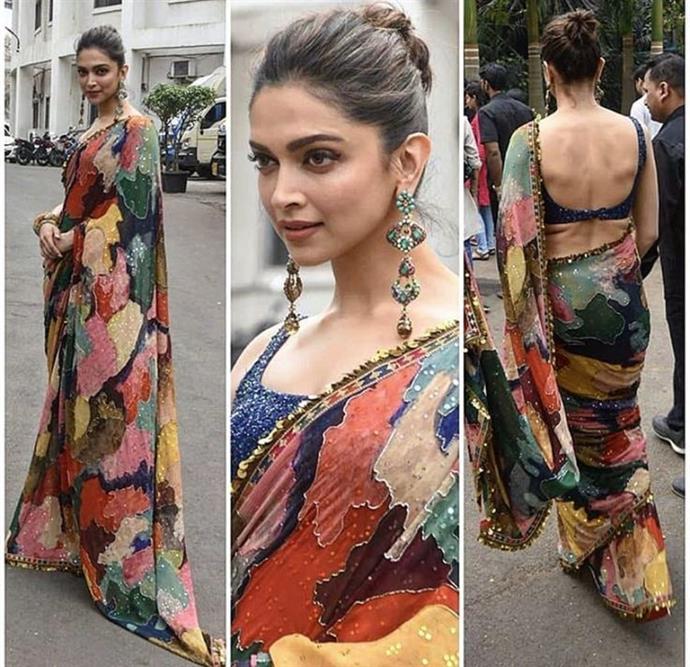
#6 Deepika Padukone’s Colourful Floral Saree– Deepika Padukone always succeeds in impressing us with her unmatched saree skills. She recently opted for enthralling Sabyasachi drape on the sets of a reality television show for Chhapaak promotions. She was looking stunning in the pops of colours from floral red to bright yellow statement piece with a contrasting shimmery blue blouse and pulled back locks in a bun paired with astonishing studded earrings. She showed us again that her choice of sarees is incomparable and how we can carry the nine yards elegantly and literally play with colours on any occasions!
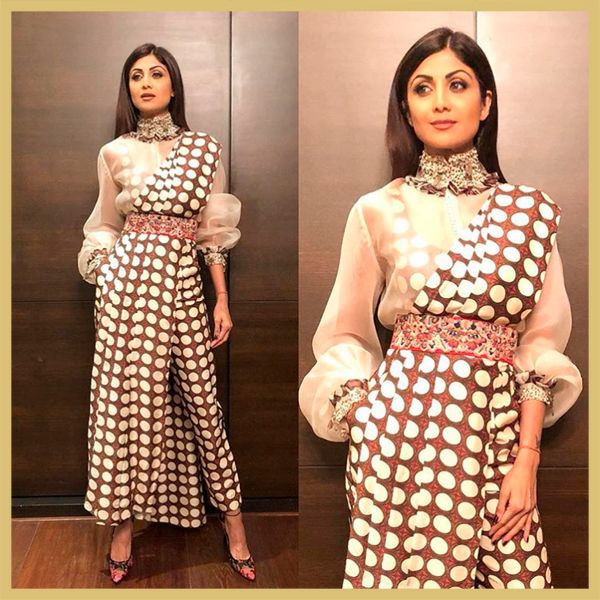
#7 Shilpa Shetty’s Polka Dotted Saree – Shilpa Shetty always leaves her fans spellbound with her sartorial picks. Best known for fashion sense and for her awe-inspiring saree looks and half saree draping style statement. She is undoubtedly a classy saree trendsetter in Indian Fashion and is in love with ruffles and shimmers. She appeared in a beautiful white and black polka-dotted saree by Monika Nidhi for a photoshoot. Draped in a black saree, which had big, white polka-dots all over, this diva bring yet another modern take to the saree by notchin it up a bit with a quirky twist.
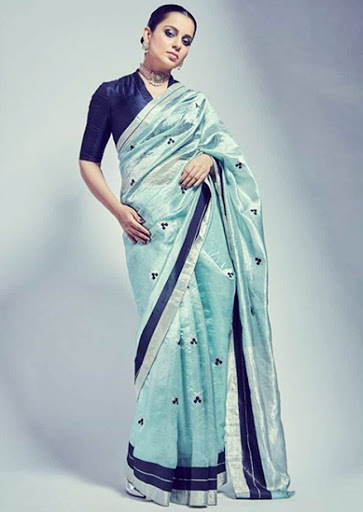
#8 Kangna Ranaut’s Blue Raw Mango Saree– Kangana Ranaut again opted for a beautiful silk saree as her promotional appearance. This time also, she decided to go desi and worn Raw Mango’s pastel blue Chanderi silk saree paired with contrast dark or midnight blue V-neck elbow length sleeves blouse on the sets of ‘The Kapil Sharma Show’ to promote the her film Panga. She further accessorised her look with a dash of grey-blue eye makeup, statement choker neckpiece and a matching pair of earrings by Anmol jewellery, smokey eyes, nude lips and had her hair tied in a sleek middle-parted bun. She looked radiant and every bit of this silk saree is too gorgeous for us to take our eyes off!

#9 Tara Sutaria’s Silver Cocktail Party Saree– After many B-Town divas, Tara Sutaria has recently made a major fashion statement by opting from Manish Malhotra’s signature sequin saree collection, a charming grey georgette saree finished with satin and lycra as the fall and rich sequins work paired with a metallic silver satin blouse which was quite akin to what Kareena Kapoor wore. She styled her look with a golden shimmery clutch bag and a statement diamond string necklace. If you’re planning a breathtaking look for the Cocktail party, then this glamorous grey saree would be an absolutely perfect pick!

#10 Kajol’s Brisk Blue Saree- Kajol– was recently seen in signature sequin saree by Manish Malhotra that has already worn by many actresses so far. Kajol choosed a shade darker of the royal blue of Sabyasachi earlier worn by Deepika Padukone. She draped this beautiful blue saree over a plain, bold, black velvet sleeveless blouse styling with a statement stacked up neckpiece in white. To finish her glam she enhanced her looks with light makeup, blended smokey eyes, flawless base, and pink glossy lips. Her done her hair parted in the centre and styled in a blind-poker way, topping off her look and keeping it simple.
While all the B-Town actresses looked phenomenal in their absolutely stunning sarees and we are swooning over on all the saree collection, it does pose the question – which saree aced the look and the most perfect to pack in your closet? We would like to know about saree trend you liked the most. Make sure to tell us in the comments below. Stay tuned with Sareez.com for more!


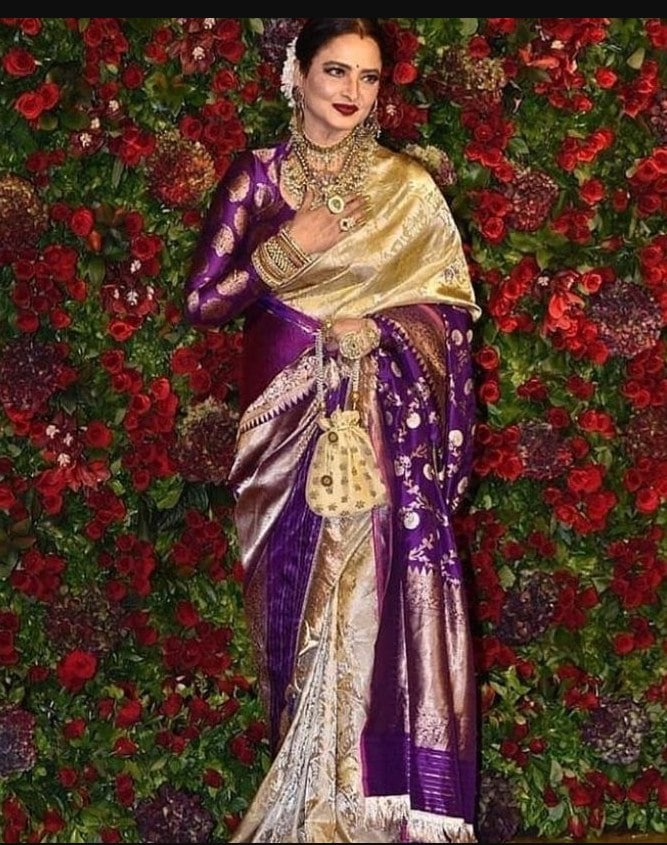

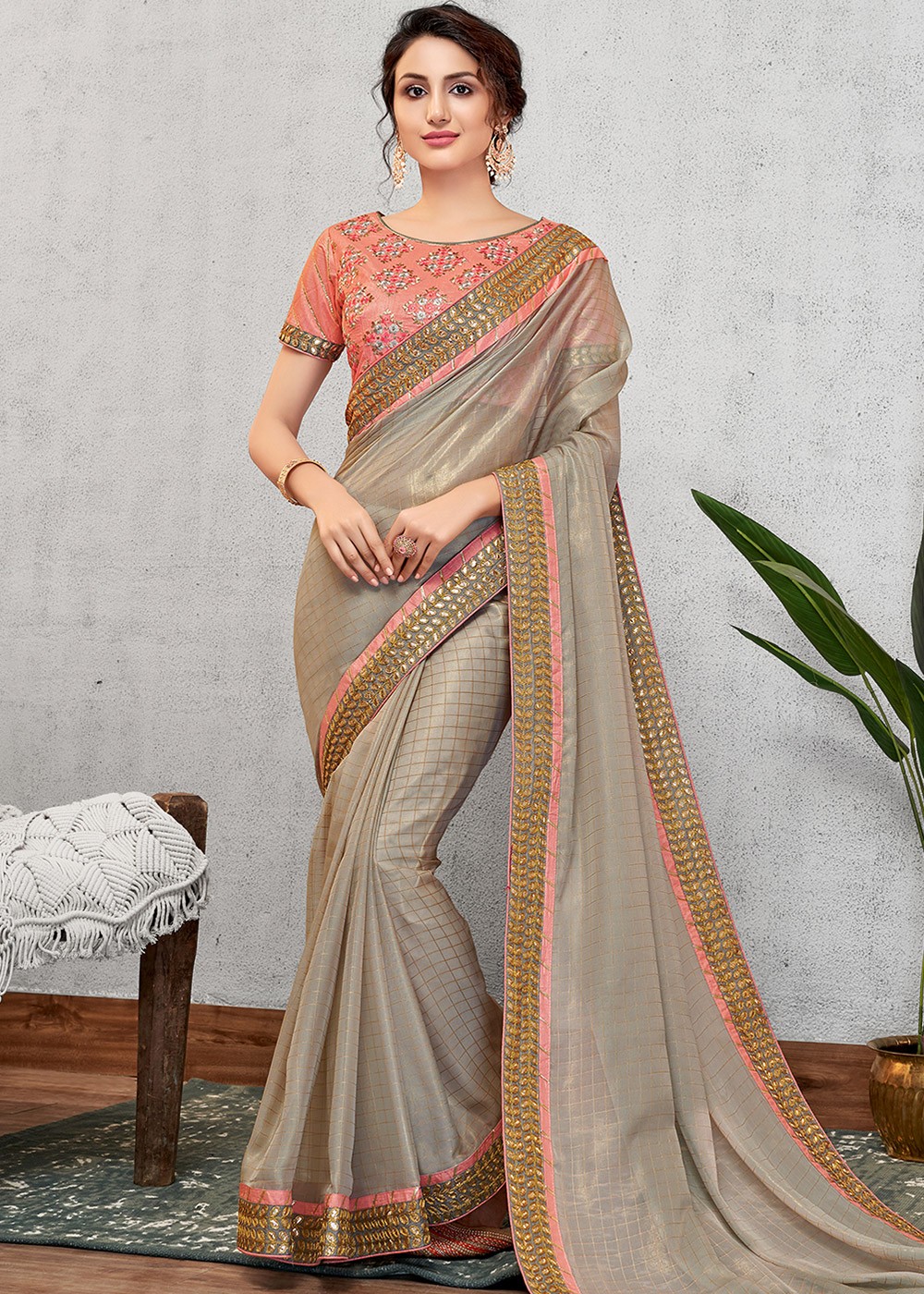


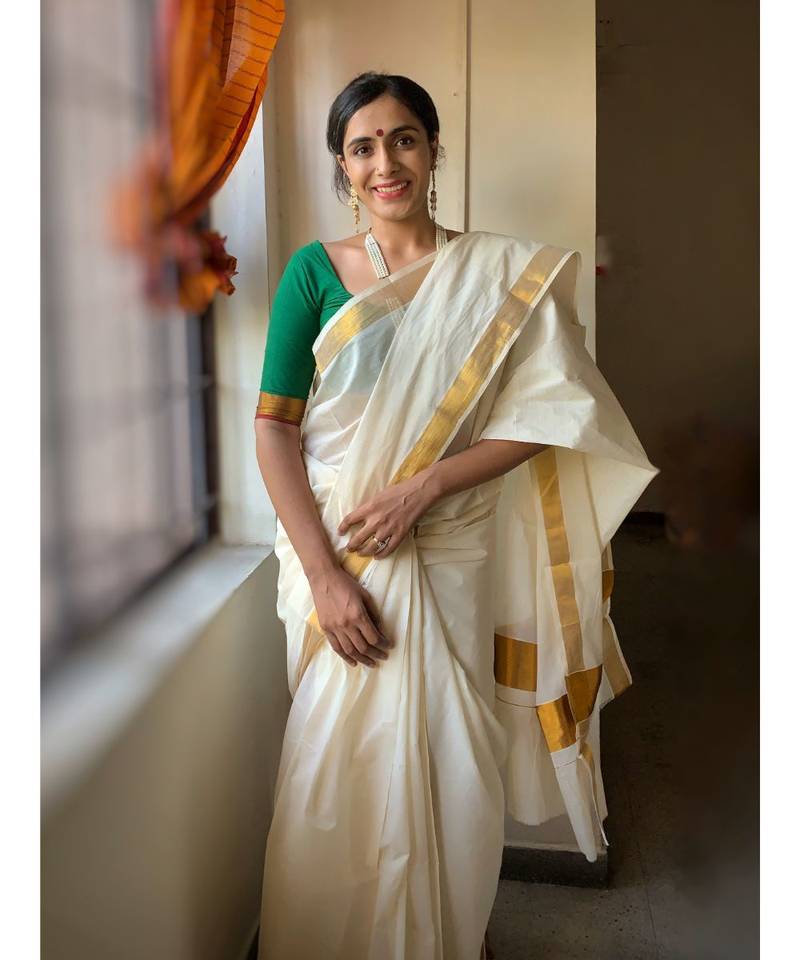


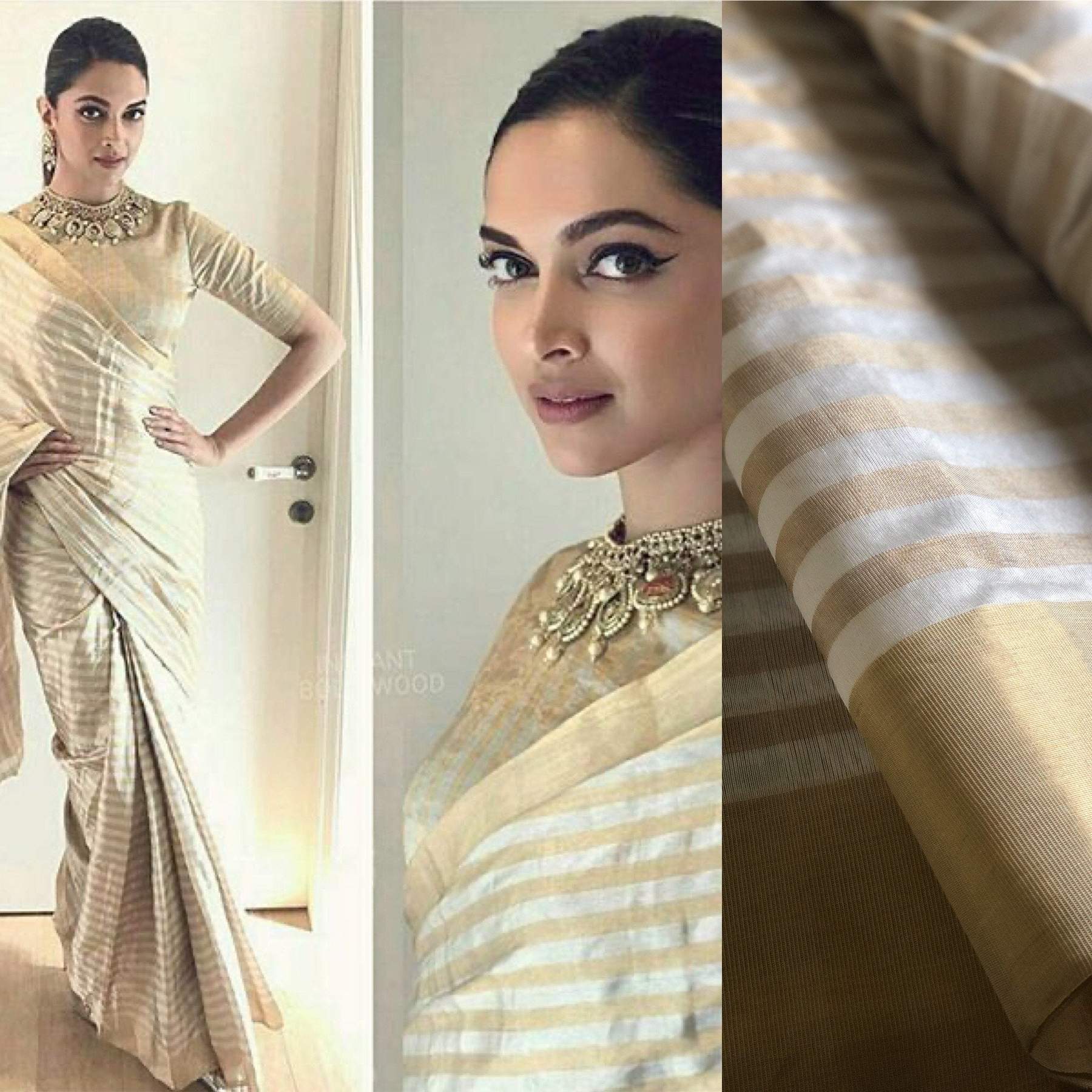









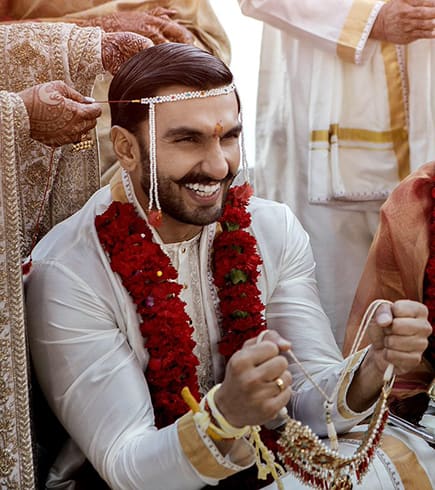
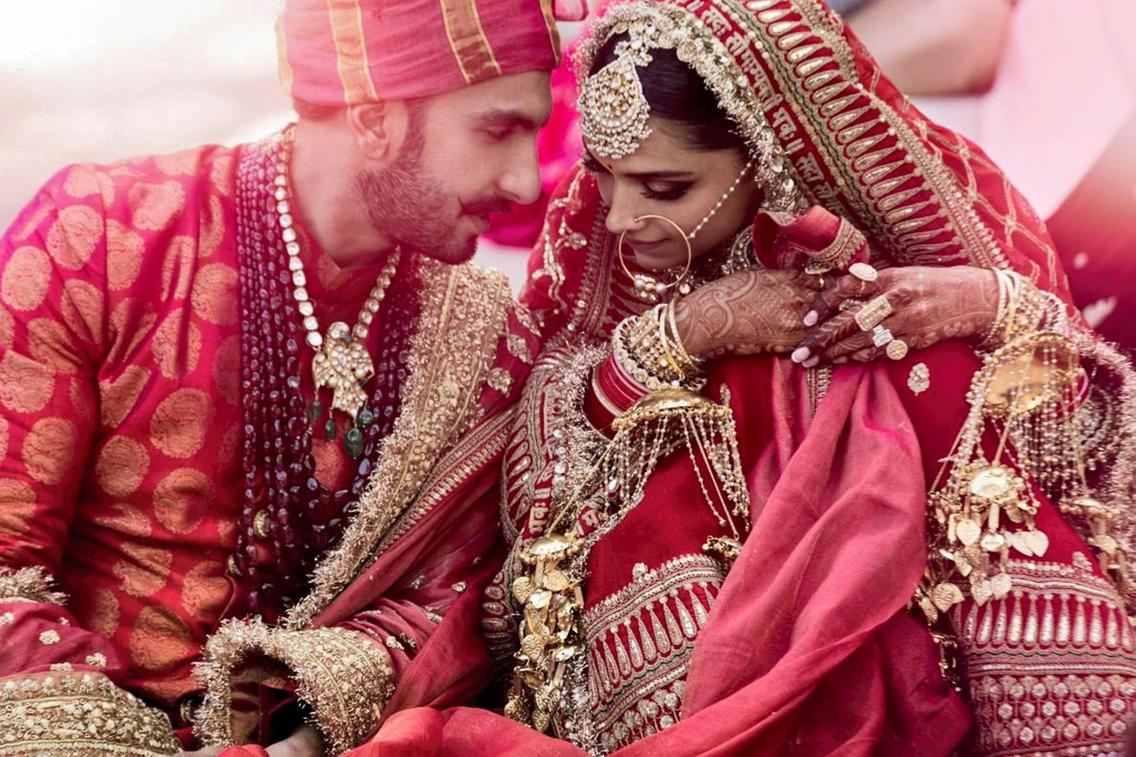


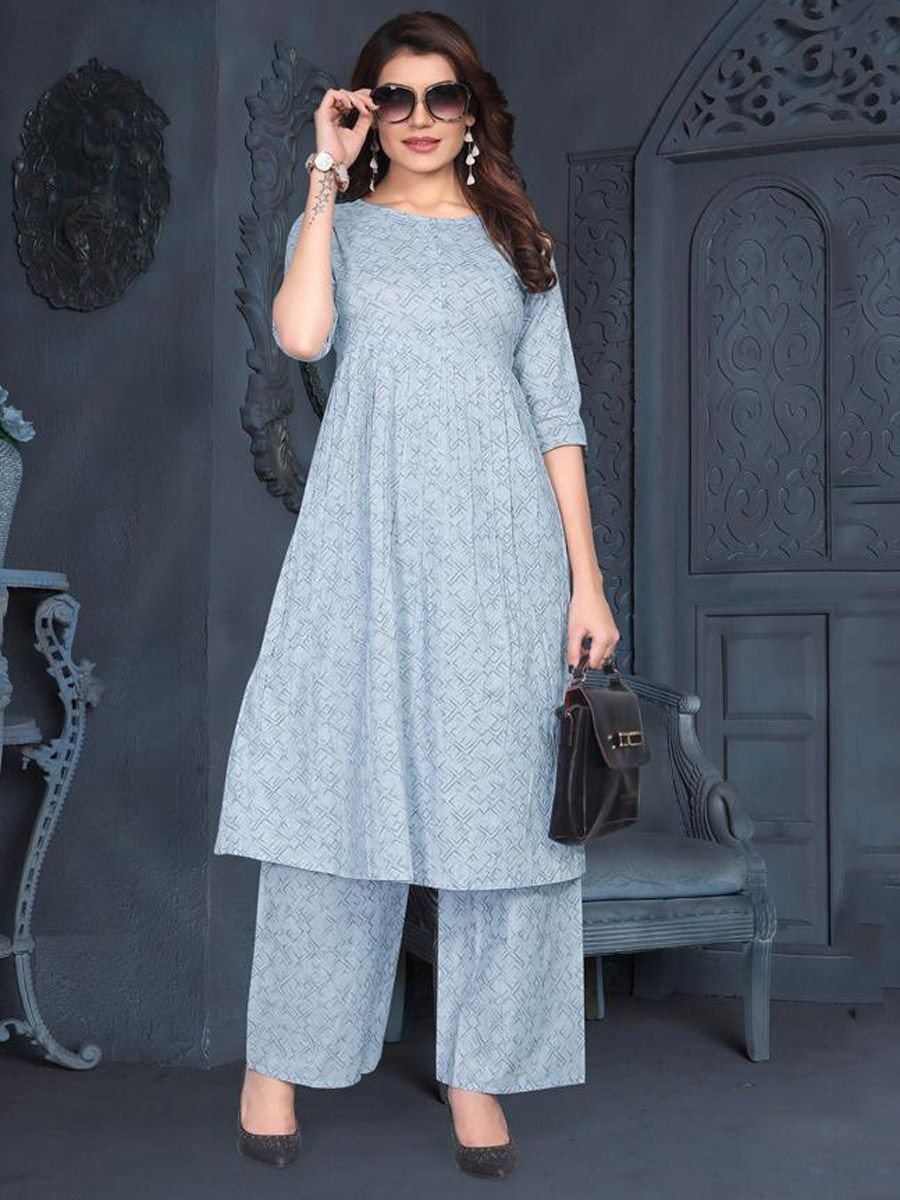


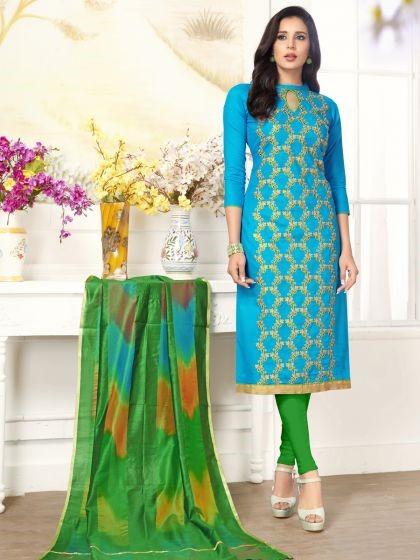
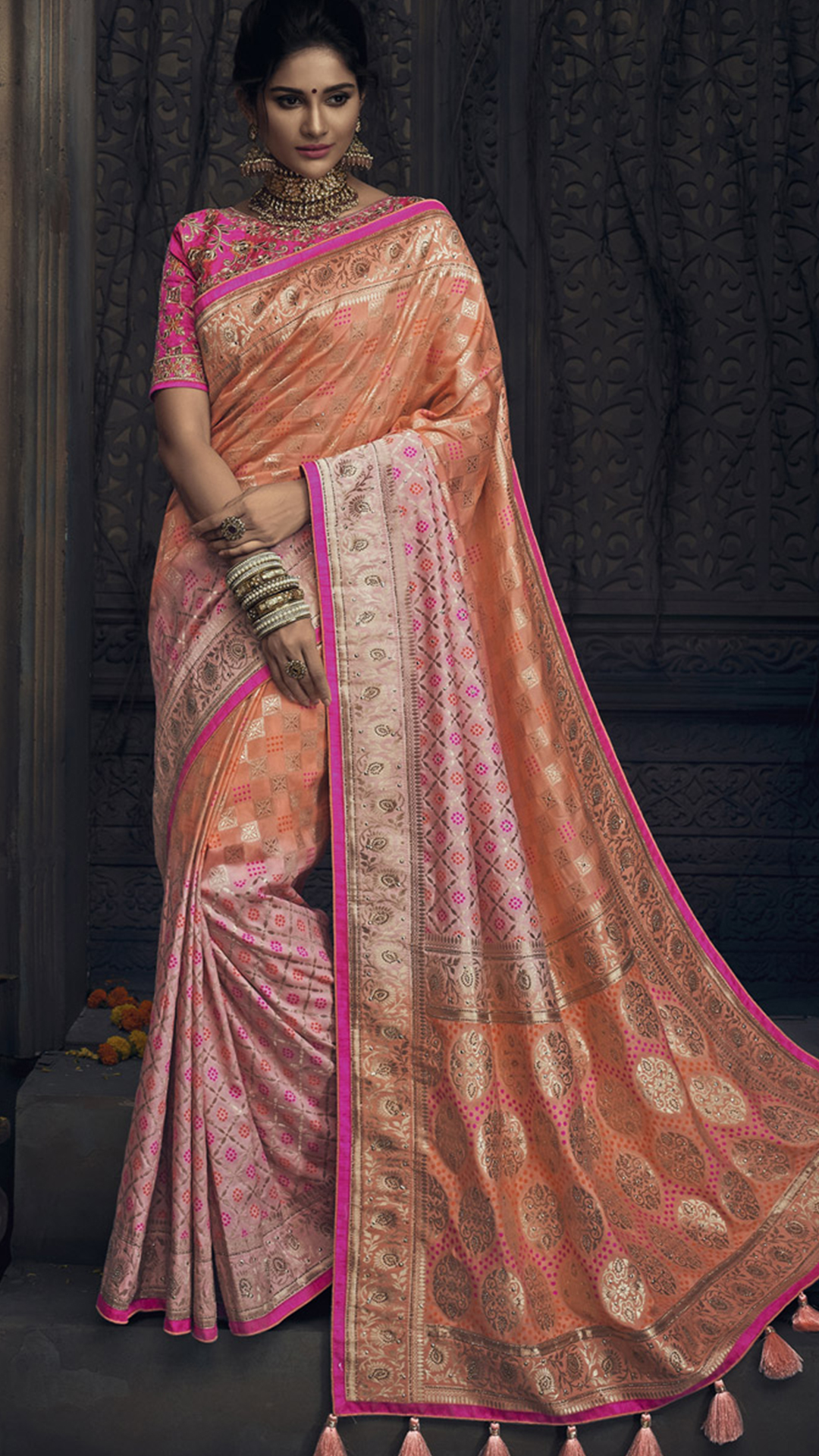
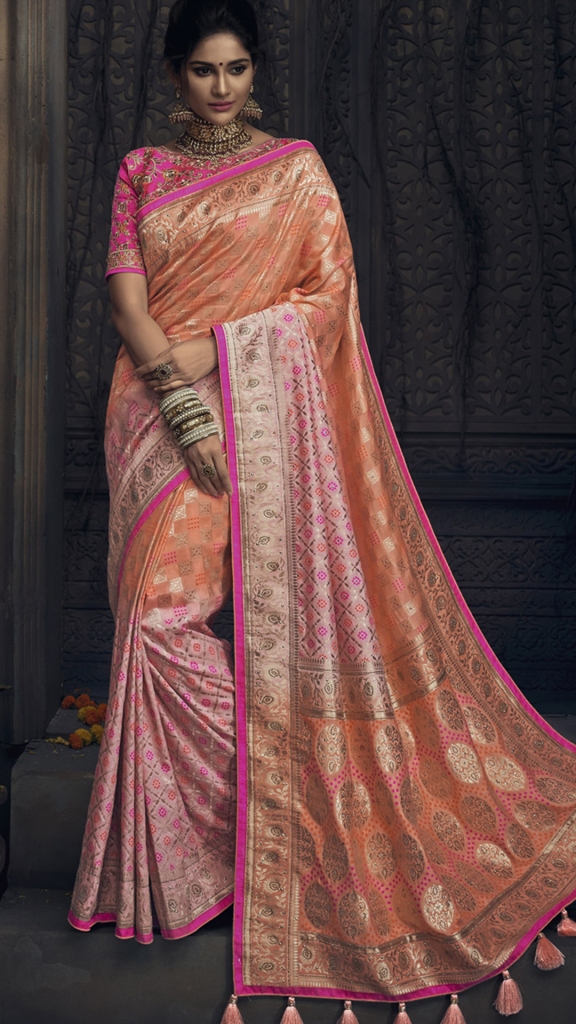

 Cherish the pristine look of the newlywed couples, our ever favorite Deepika & Ranveer. Again coordinated in white purity both are looking stunning on their way to the airport for Bengaluru. Sabyasachi couture being their wedding and all post-wedding celebration has patched up an awesome collection.
 Deepika in a cream or off-white hued
 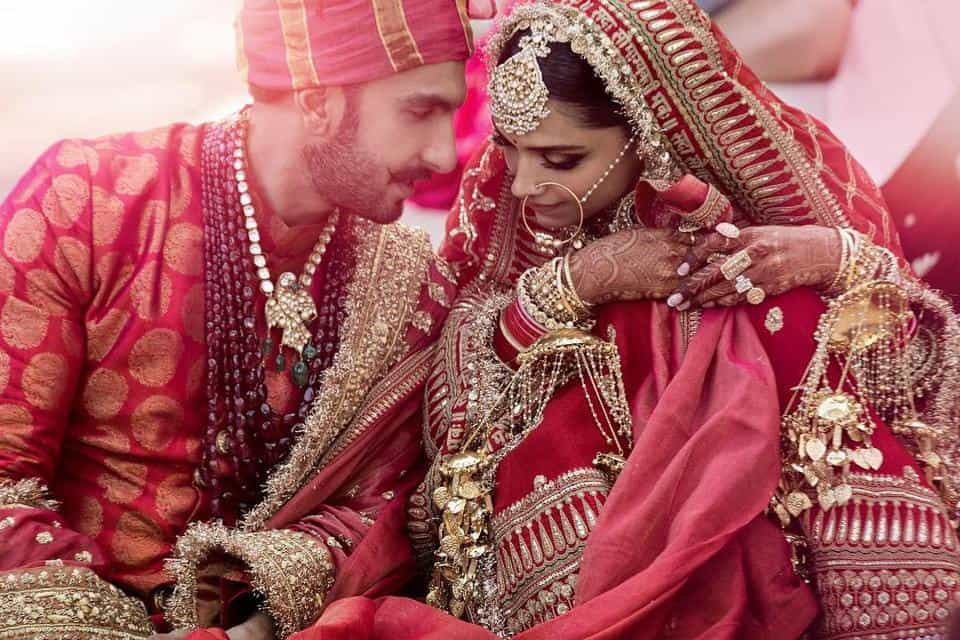 Once again Sabyasachi’s
  Whenever it is about being ethnic we have often found Deepika comfortable in salwar suit. Patching up with her style her fans and followers have also started reinventing their wardrobe. The post-marriage Day 1 Mumbai look on Airport, Deepika was looking gorgeous in straight cream salwar suit with close neck embedded by a heavily worked dupatta. And the second day looks in Anarkali salwar was also gorgeous.
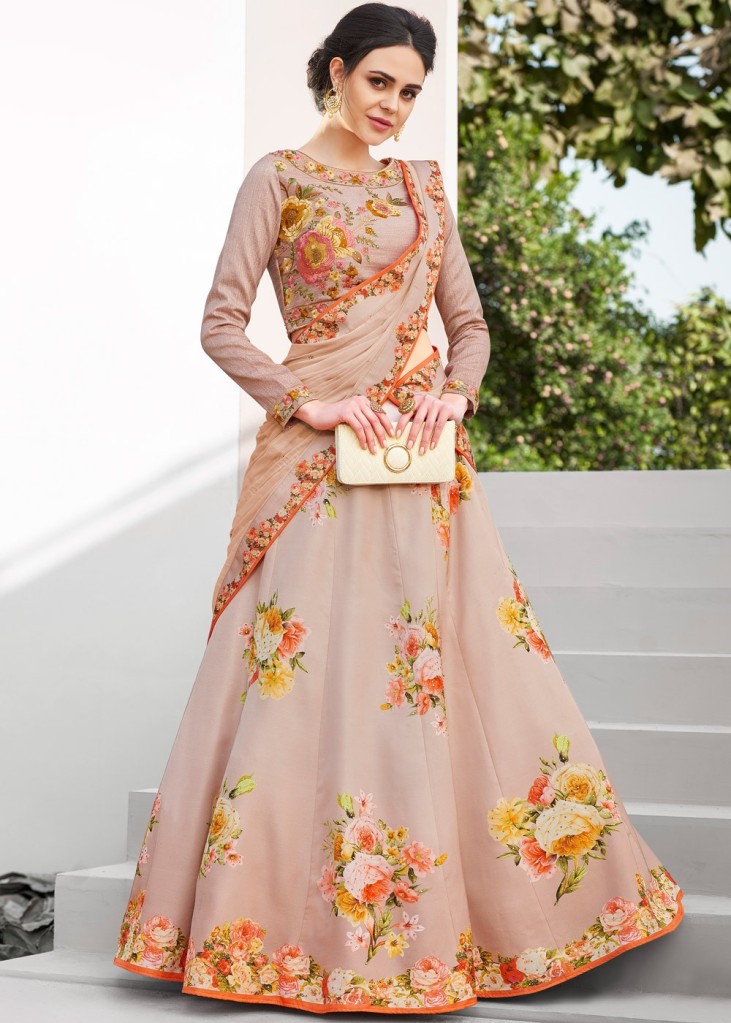
 Anarkali is best for wedding or party wear. It has a lot to flaunt in a simple yet elegant makeover. If your body type is hour-glass or you are tall then it has the best match in Anarkali. This salwar kamez design has taken over a mass market share in Middle East and Asian countries sales graph.
 A-line floor length salwar is also much on demand. A line high low salwar kammez design is good for regular wear or party wear as well. With cigarette pant or churidar it looks great. Being ethnic it accompanies a smarty look with aesthetic and elegance.
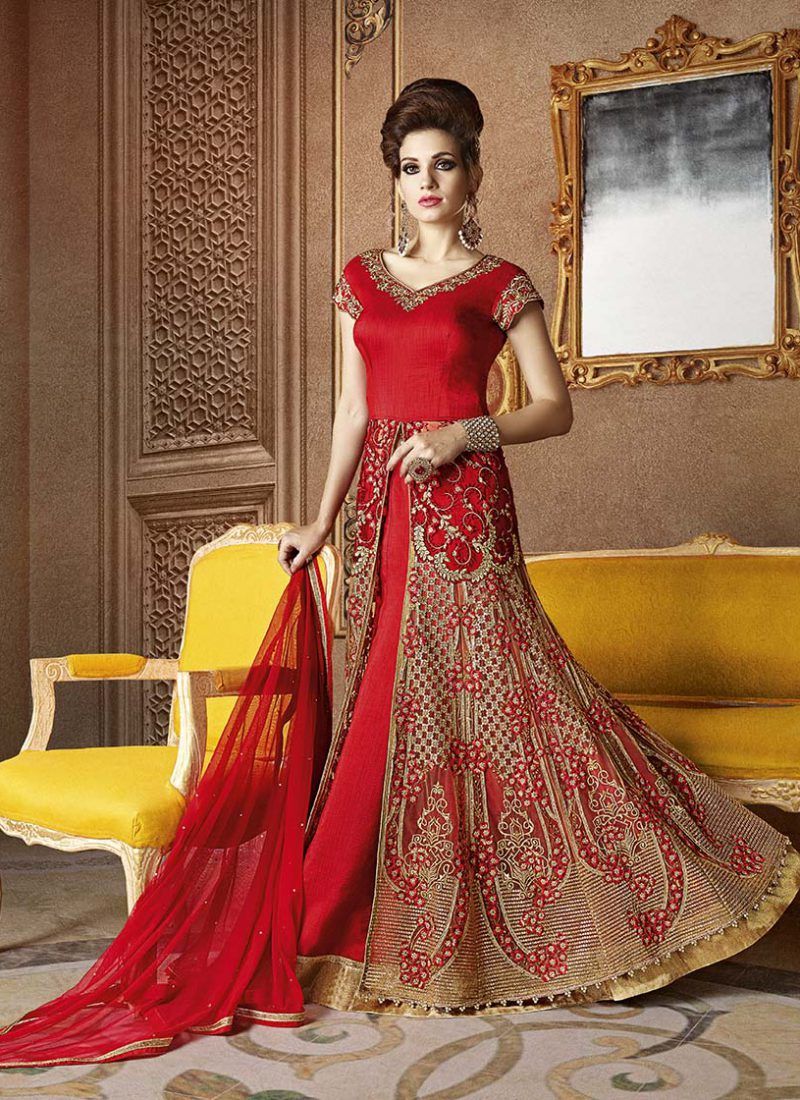 Silted salwar suit! Inclining to the western makeover it portrays an ethnic look. Side slit or two front slit is the pulse of this season. Flaunt it with palazzo or petals pant is good to go. The tie and knot with latkan flaunted at side add to the exuberance.
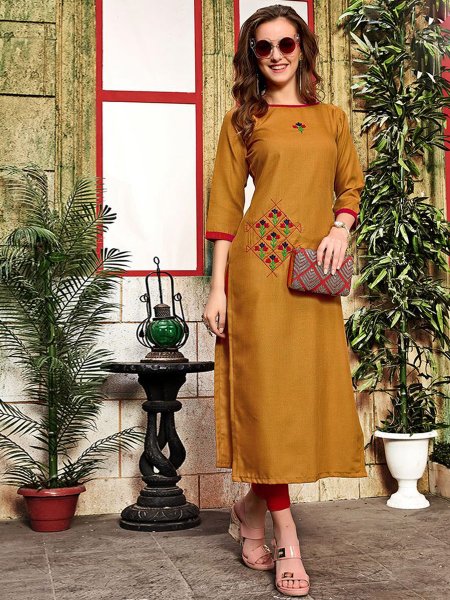
 Palazzo is ruling the market for last three years. Flairs and flaunts has entrenched its exuberance. For regular wear or party wear, it has no parallel. Not just young age group, the elderly women folk have replaced their saree or salwar rack with palazzo and kurti breed. Catching the market pulse it is on height.
 Her Fashion Rules